

Osage County, Oklahoma
From ancient prairie peoples to the Osage Nation's reign as the world's wealthiest nation — discover the layered history beneath these wide-open skies.
The largest county in Oklahoma
One of the last sovereign land purchases
Listed on the National Register
Osage County's landscape is defined by the Tallgrass Prairie — one of the most endangered ecosystems on Earth — rolling Osage Hills, and the broad waters of the Arkansas River system. The county seat is Pawhuska, named for the Osage chief Pawhuska (White Hair).
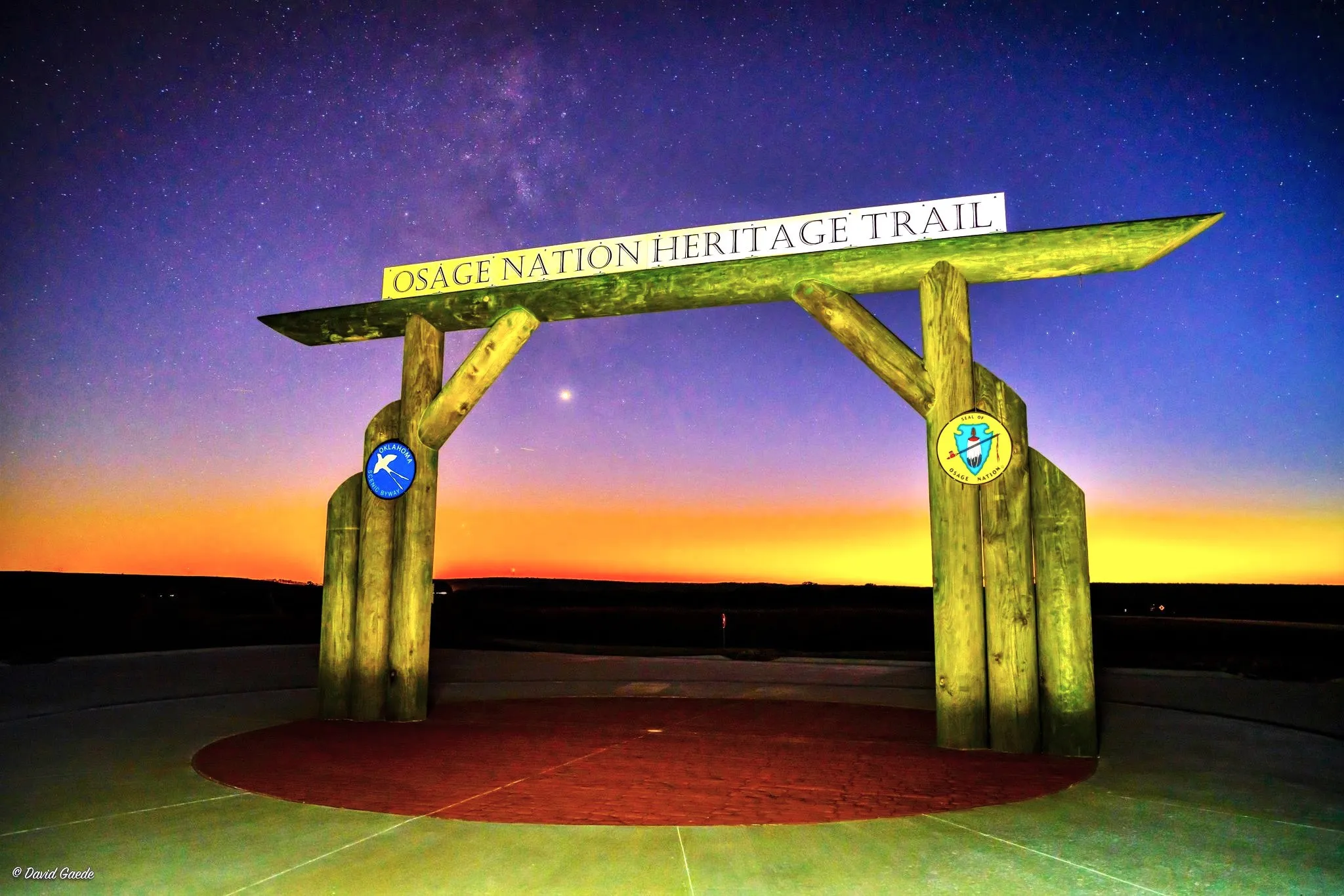
Children of the Middle Waters
The Osage Nation, known as the Ni-U-Ko'n-Ska (Children of the Middle Waters), has deep roots in the region predating European contact. By the 1760s, the Osage had expanded their range across what is now Missouri, Kansas, and Oklahoma.
In 1870–1875, the Osage Nation purchased their current reservation in what became Osage County — one of the last remaining acts of tribal sovereignty in Indian Territory. This decision to purchase rather than be assigned land would prove historically significant: the Osage retained their mineral rights.
“The Osage purchased their land rather than be assigned it — and in doing so, retained the mineral rights that would change the course of history.”
Through the Centuries
Human habitation in what is now Osage County stretches back thousands of years. Archaeological evidence documents Paleo-Indian, Archaic, Woodland, and Plains Village peoples who lived on and moved across these prairies over millennia.
The first documented Euro-American expeditions through the region came in the early 19th century. Lt. James B. Wilkinson traveled through in 1806, and Maj. Stephen H. Long's expedition traversed the area in 1820.
Through a series of treaties from 1825 to 1839, the Osage Nation ceded its lands east of Kansas. In 1870–1875, they purchased the reservation that would become Osage County — retaining their mineral rights in a decision that would reshape American history.
The Battle of Chustenahlah on December 26, 1861 was one of the larger engagements in Indian Territory during the war. The Osage, divided in their allegiances like many tribes, experienced the conflict's disruption directly.
When Oklahoma achieved statehood, Osage County was established with Pawhuska as the county seat. The early population of 15,332 would grow dramatically in the following decades, peaking at 47,334 by 1930.
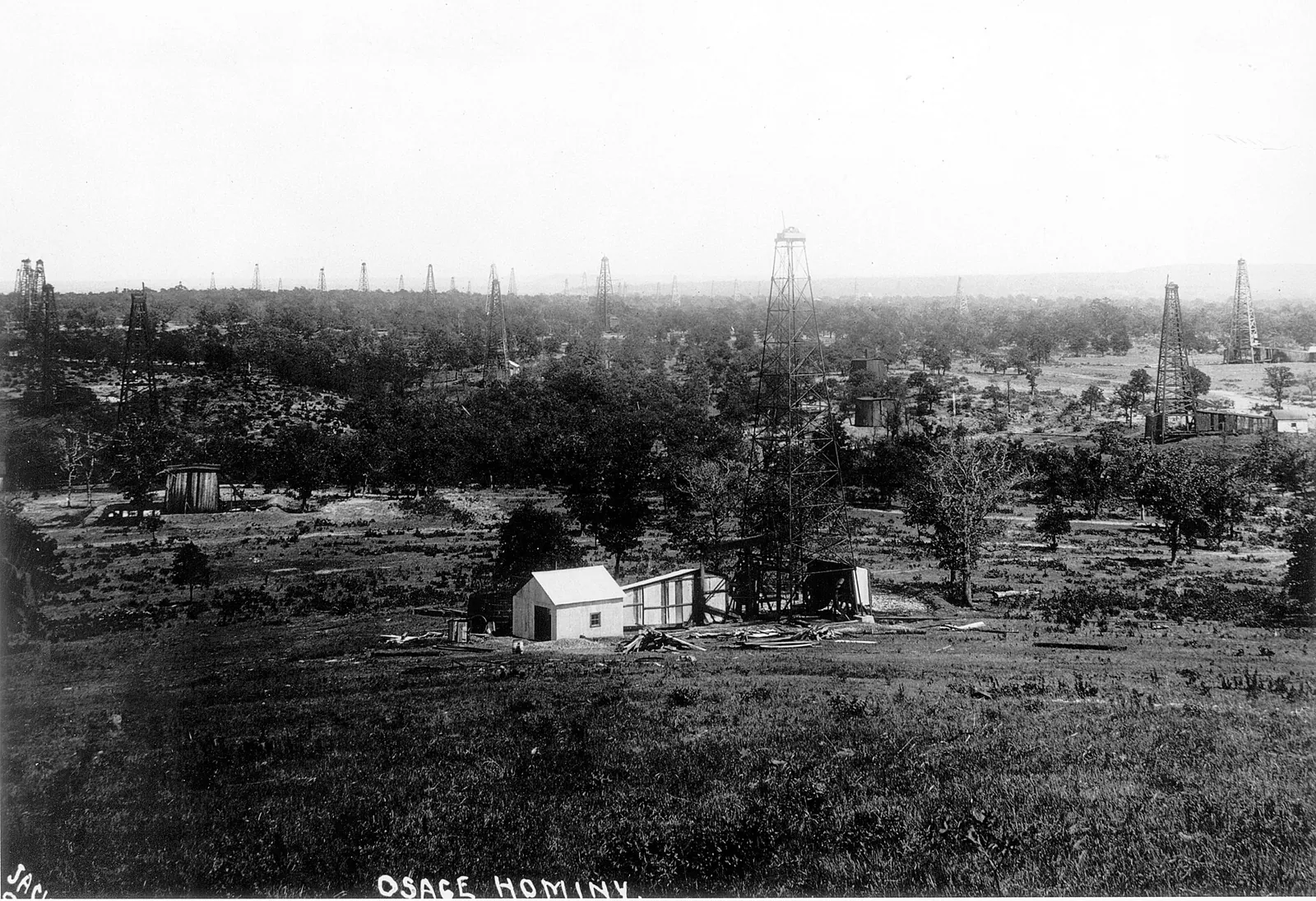
The discovery of oil beneath the Osage reservation in 1906 transformed Osage County into one of the wealthiest places on Earth. Every enrolled member of the Osage Nation received a headright — a share of oil royalties that made many Osage citizens extraordinarily wealthy.
By the 1920s, the Osage were the wealthiest people per capita on Earth. Pawhuska and other towns were home to grand mansions, luxury automobiles, and a lifestyle that stunned outside observers.
This wealth attracted predators. White conspirators murdered Osage citizens to gain control of their headrights — one of the darkest chapters in American history, and the subject of David Grann's book and Martin Scorsese's film Killers of the Flower Moon.
Alongside oil, cattle ranching has defined Osage County's identity. The Chapman-Barnard Ranch helped establish large-scale ranching on the Osage. Today, The Nature Conservancy's Tallgrass Prairie Preserve — nearly 40,000 acres — carries on that heritage while protecting the ecosystem.
1906 – 1930s
The discovery of oil transformed the Osage into the wealthiest people per capita on Earth. Grand mansions rose across the prairie, luxury automobiles lined the streets of Pawhuska, and the world took notice.
The Phoenix Oil Company, the Indian Territory Illuminating Oil Company (ITIO), and dozens of operators brought industry and wealth — but also exploitation that would scar the community for generations.
Legends of the Osage
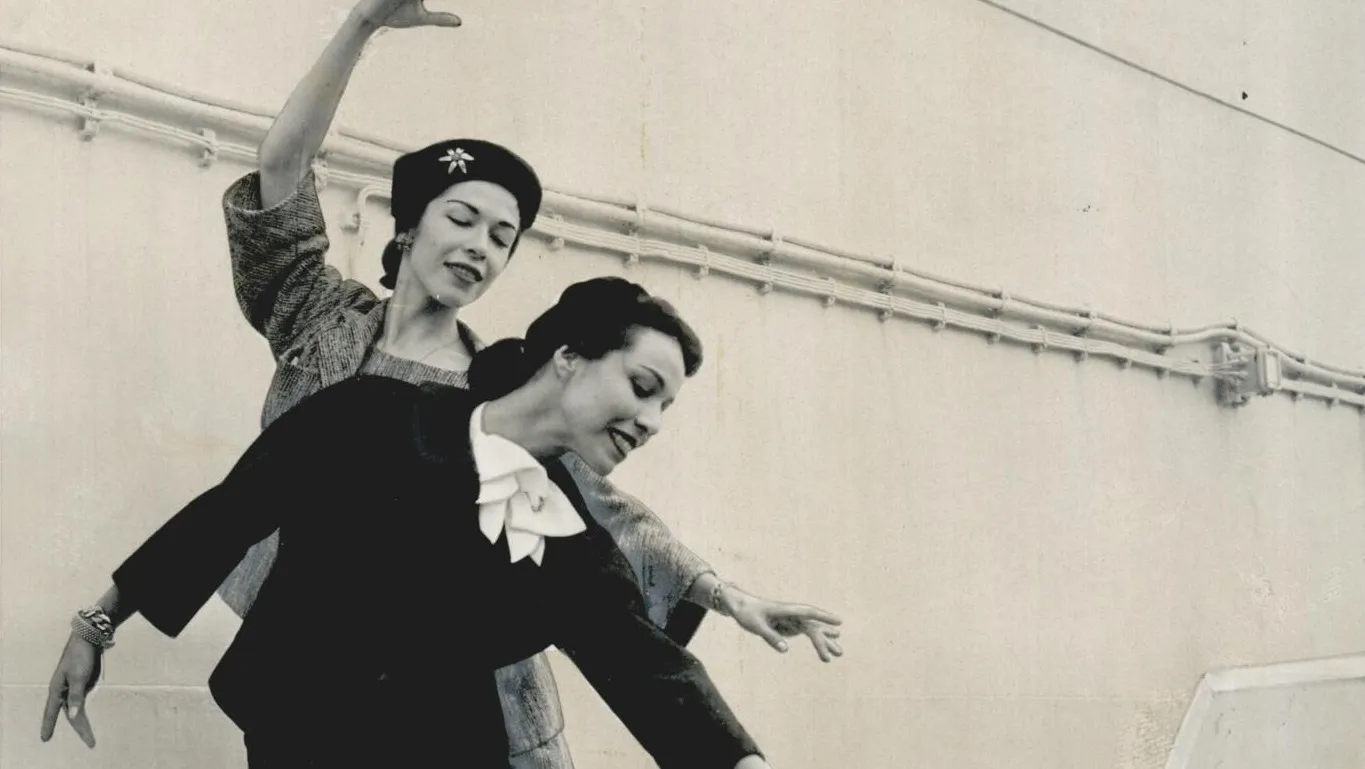
World-Renowned Ballerinas
Sisters from Fairfax who became legends. Maria was the first Native American prima ballerina with a major company.
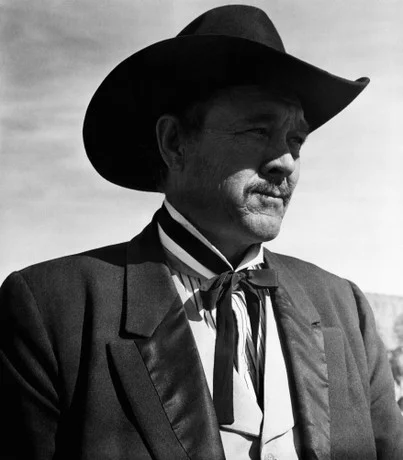
Oscar-Winning Actor
Pawhuska native known for The Last Picture Show and a career built on authentic Western horsemanship.
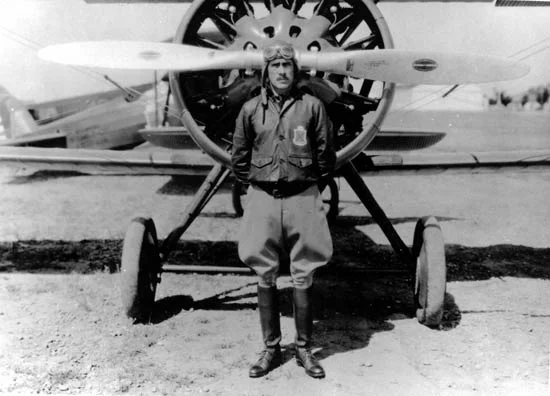
Military Pioneer
First Native American Major General in the U.S. military. Tinker Air Force Base bears his name.
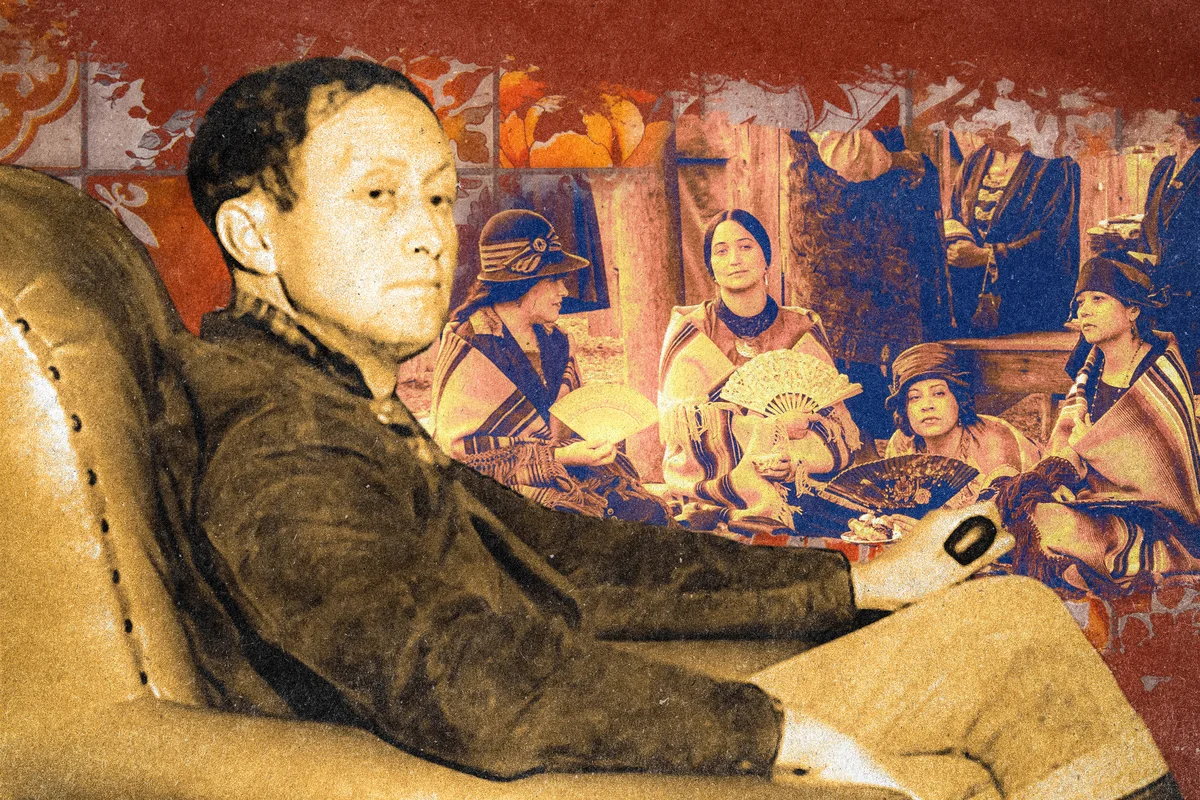
Author & Tribal Leader
Osage author whose 1934 novel Sundown is a landmark of Native American literature.
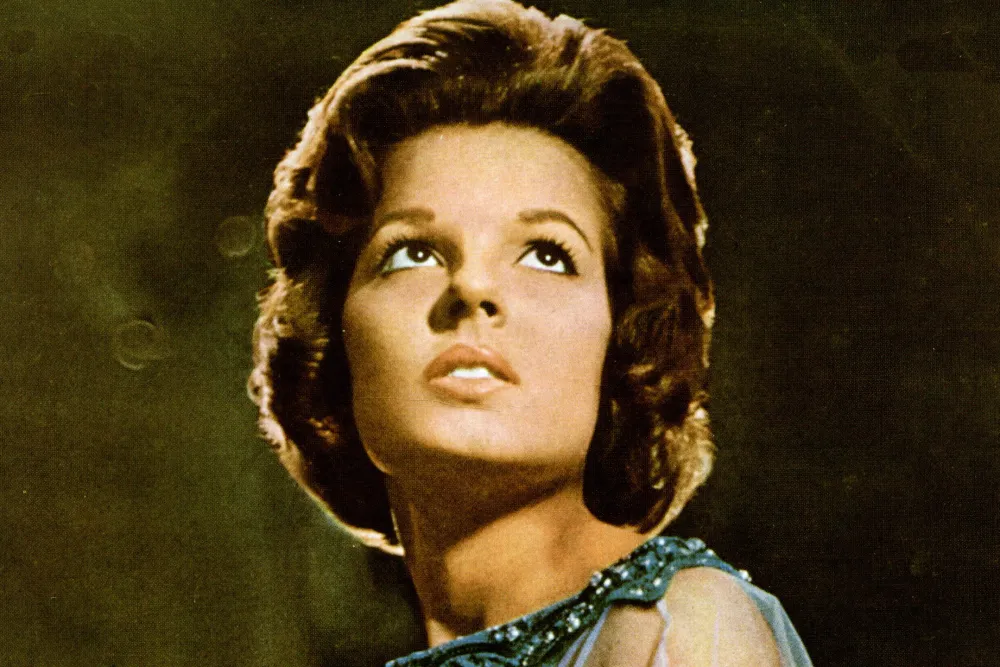
Singer & Cultural Figure
From Barnsdall, became a nationally known singer and public figure.
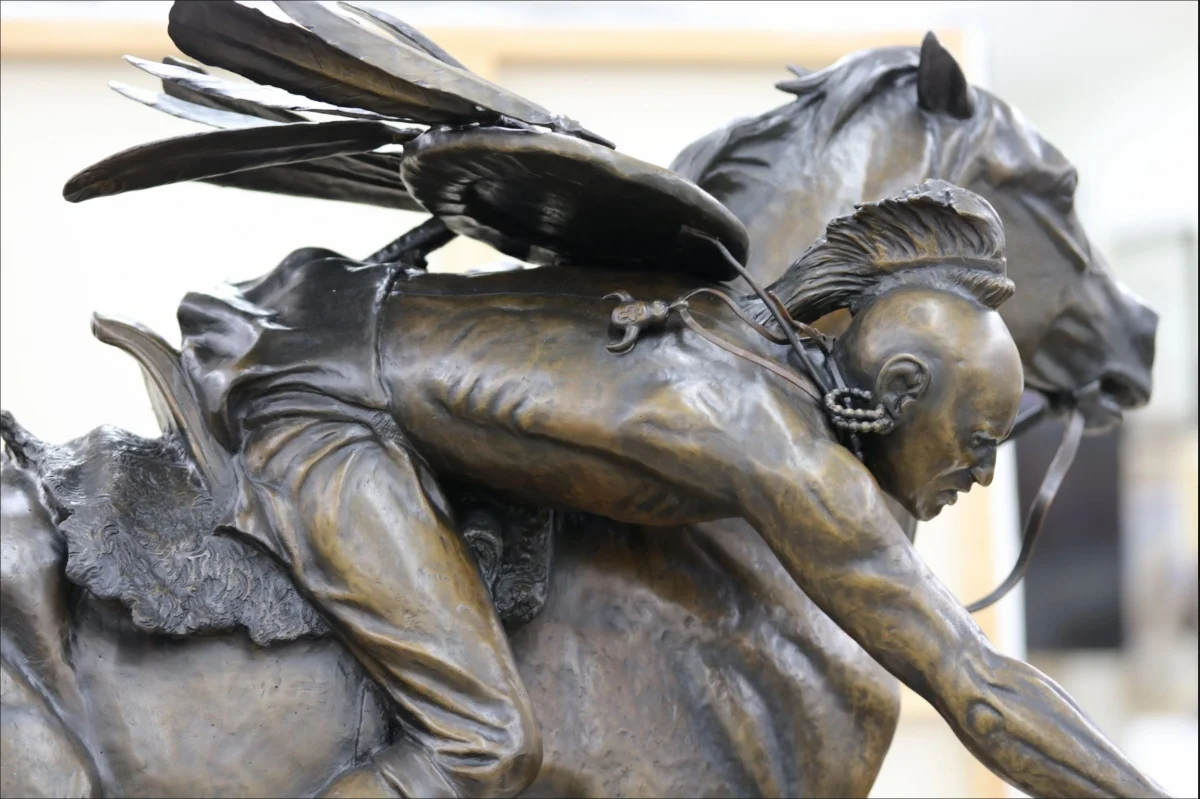
Sculptor & Artist
Pawhuska-born sculptor celebrated for his bronze works depicting Native American life and the spirit of the Osage.

Explore History Today
Osage County has 22 properties listed in the National Register of Historic Places, reflecting its layered history from ancient peoples through the oil boom era.
State parks include Osage Hills, Walnut Creek, and Wah-Sha-She. The Osage Nation Tribal Museum in Pawhuska is the oldest continuously operating tribal museum in the United States.
Connecting the Osage
Three rail lines shaped the development of Osage County: the Missouri, Kansas & Texas (Katy), the Midland Valley Railroad, and the Atchison, Topeka and Santa Fe Railway. Together they connected county towns to regional markets, enabled oil transport, and brought settlers and commerce to the area.
Walk the streets of Pawhuska, visit the Osage Nation Museum, and explore the tallgrass prairies where this story unfolded.