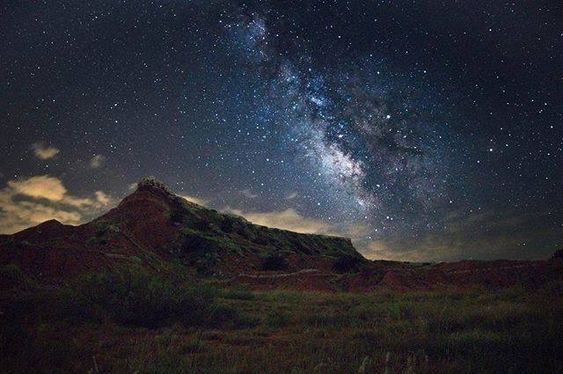
Everything you need to know before visiting the largest protected tallgrass prairie in the world — bison viewing, hiking trails, best times to visit, and what to bring.
The Tallgrass Prairie Preserve, just north of Pawhuska, is one of the most significant conservation achievements in North America. Once, tallgrass prairie covered 170 million acres of the central United States. Today, less than 4% remains — and the preserve protects nearly 40,000 acres of it. If you've never walked through a sea of grass taller than you are, or watched a herd of bison move across an unbroken horizon, this is the place.
Getting There
The preserve is about 17 miles north of Pawhuska. From downtown, take Lynn Avenue north — it turns into County Road 4201. The drive is paved most of the way, with a well-marked entrance to the preserve. Plan about 25 minutes from Pawhuska.
There's no admission fee. The Nature Conservancy, which owns the preserve, keeps it free and open to the public year-round.
The Bison
The preserve's bison herd is one of the main draws. About 2,500 bison roam freely across the prairie, and they can often be seen from the roads. The best way to see them is to drive slowly along the bison loop road — you'll usually spot a herd within 20 or 30 minutes, depending on where they're grazing that day. (For more on bison viewing, see our guide to where to see bison in Oklahoma.)
A few important rules: stay in your vehicle when bison are near, never approach them on foot, and keep at least 100 yards of distance. They look docile, but they're fast, they're powerful, and they will charge if they feel threatened.
Hiking Trails
The preserve has several hiking trails, ranging from easy to moderate. The most popular is the Scenic Overlook Trail — a quarter-mile walk to a viewpoint that shows you the sheer scale of the prairie. On a clear day, you can see for miles.
For a longer hike, try the Bottomland Trail, a 1.5-mile loop through oak savanna along a creek. It's a great way to see the diversity of the prairie ecosystem — grassland gives way to wooded bottomland, and the birdwatching is excellent.
Best Times to Visit
Spring (April–May): Wildflowers, newborn bison calves, mild weather. Arguably the best season.
Summer (June–August): Hot and humid, but the grass is tallest and greenest. Early morning visits are the most comfortable.
Fall (September–October): The prairie turns gold and amber. Temperatures cool, and the light is spectacular for photography.
Winter (November–March): Quiet, stark, and beautiful in its own way. Fewer visitors means more solitude. Dress warmly — wind on the open prairie in winter is serious business.
What to Bring
- Water (no potable water on site) - Sunscreen and a hat (there is almost no shade) - Binoculars (for bison viewing and birdwatching) - Snacks or a picnic - Sturdy shoes for hiking - A full tank of gas (no services at the preserve itself)
What Not to Miss
The historic Headquarters Area includes the preserve's visitor center (check hours — it's not always open), a restored ranch house, and interpretive displays. It's a great place to start your visit to get context on the history of the land and the restoration work that's made the preserve possible.
If you're there in the spring, ask a ranger about the burn schedule. The Nature Conservancy uses prescribed fire to maintain the prairie ecosystem, and watching a controlled burn is an unforgettable experience (and perfectly safe from a distance).
Stay Nearby
If you want to make a weekend of it, Pawhuska has lodging options ranging from the historic Frontier Hotel to vacation rentals and campgrounds. A full day at the preserve followed by dinner on Kihekah Avenue is one of the best ways to experience Osage County.